Healing Colonial Legacies: Reconnecting with Personal and Land-Based Histories with Deana Dartt, Heron Brae and Nancy Morris-Judd – Featuring a full day with Robin Wall Kimmerer on September 5th – G26080502
How can we build authentic relationships with ourselves, our communities, and the earth? This five-day workshop invites participants to reflect on past experiences and foster empathy, forgiveness, generosity, and balance in the present. Activities include cultural mapping, mindfulness, intention setting, an empathy journal, arts integration, and discussions rooted in applied decolonization.
Guest speakers Moises Gonzales (Genizaro) and Johnny Valdez (Southern Ute) will share insights about building lasting connections to land and community, highlighting how history continues to impact us. Participants will examine their personal histories, exploring belonging, trauma, and reconnection, and consider how these shape identity.
The workshop concludes by focusing on collective healing and responsibility, equipping attendees with practical tools for community engagement and connection to the land. It is open to anyone affected by colonialism, including Indigenous peoples, descendants of settlers, and those impacted or displaced.
Through a combination of interactive learning, group conversations, and creative exercises, the workshop creates a supportive environment for individuals to deepen their understanding of themselves and others. Cultural mapping encourages participants to trace their roots and identify patterns of displacement or continuity, providing a visual and emotional context for personal narratives. Mindfulness practices and intention setting help ground the experience and cultivate awareness, supporting growth and resilience. The empathy journal serves as a reflective tool, guiding participants to observe shifts in perspective and develop compassion for self and community.
Arts integration introduces various mediums—painting, storytelling, music—as a means of expressing complex emotions and experiences related to colonial history and its ongoing effects. Discussions on applied decolonization offer actionable strategies for dismantling oppressive systems and rebuilding equitable relationships. By the end of the workshop, participants will have developed a toolkit for fostering meaningful connection and active participation within their unique contexts, supporting continued healing and empowerment.
Instructors
-
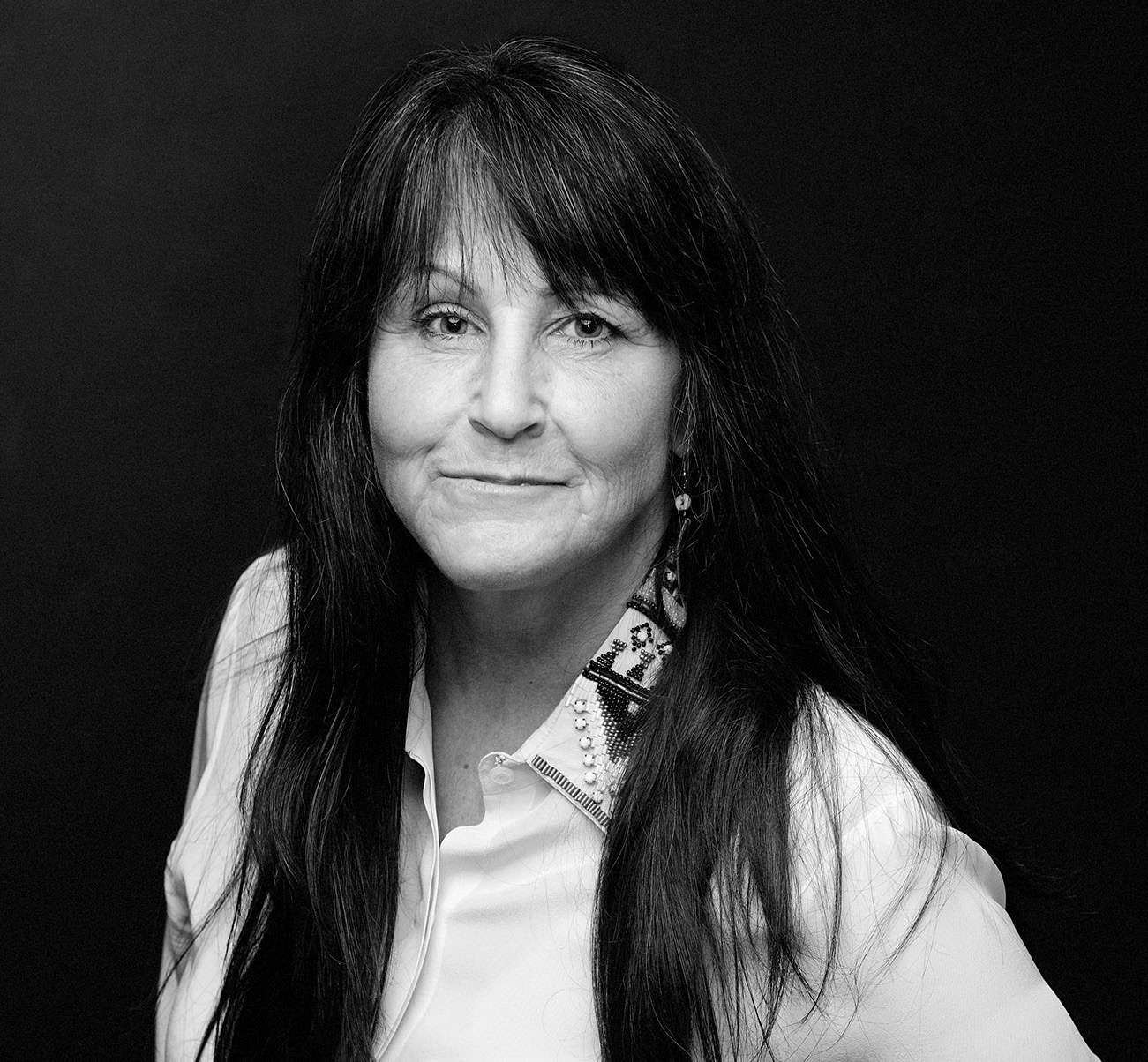 Deana Dartt
Deana Dartt, PhD (Director) is Coastal Band, Chumash, and Mestiza, descending from the indigenous people of the Californias. Her scholarly and professional work strives to address the incongruities between public understanding, representation and true acknowledgement of Native peoples, their cultures, histories, and contemporary lives. She earned her MA and PhD from the University of Oregon and has held curatorial positions at the Burke Museum of Natural and Cultural History and the Portland Art Museum as well as teaching appointments at the University of Oregon, University of Washington, and Northwest Indian College. She recently completed a writing fellowship at the School for Advanced Research where she revised her book manuscript for publication titled: Subverting the Master Narrative: Museums, Power and Native Life in California. She is also the primary author of the AAM/SAR Standards for Museums with Native American Collections
-
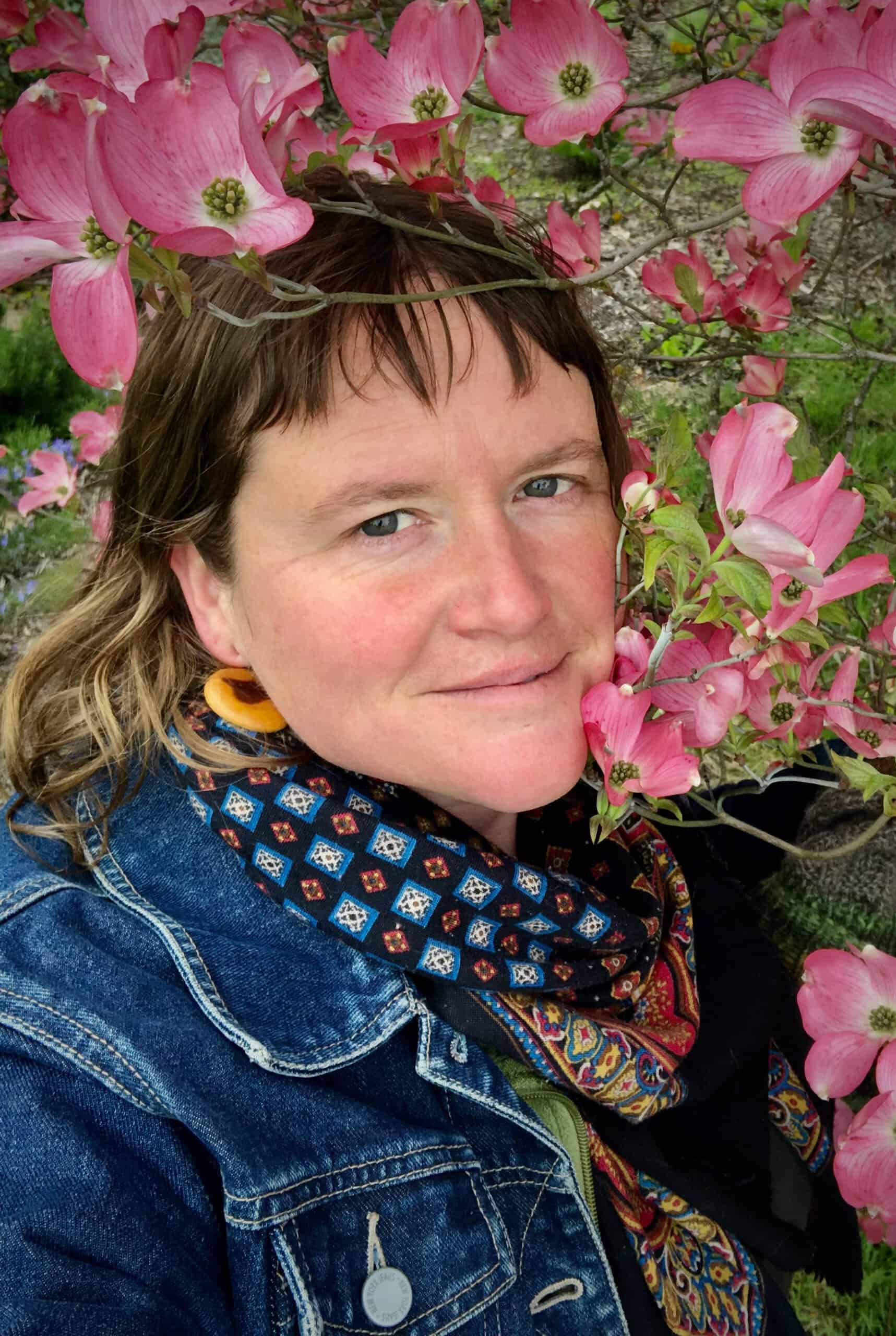 Heron Brae
Heron Brae is a community builder, educator, and facilitator with over 25 years of experience in grassroots intersectional anti-oppression movements. She practices peer-to-peer listening within a liberation framework and has deeply engaged in personal emotional learning, facing systems of power, and healing ancestral trauma and shame in her Celtic and Germanic lineage. As a descendant of early settlers to the US, emotional empathy is crucial to her work of un-numbing. Heron also has extensive knowledge of botany, ecology, and herbalism, teaching people to harvest, use, and care for wild plants while understanding the colonial context. At Live Oak Consulting, she co-facilitates trainings, including affinity groups for non-Native people to build emotional resilience and skills for decolonial work. In her free time, Heron enjoys camping in remote locations, harvesting wild plants, cooking, loving her community, and marveling at life’s mysteries.
-
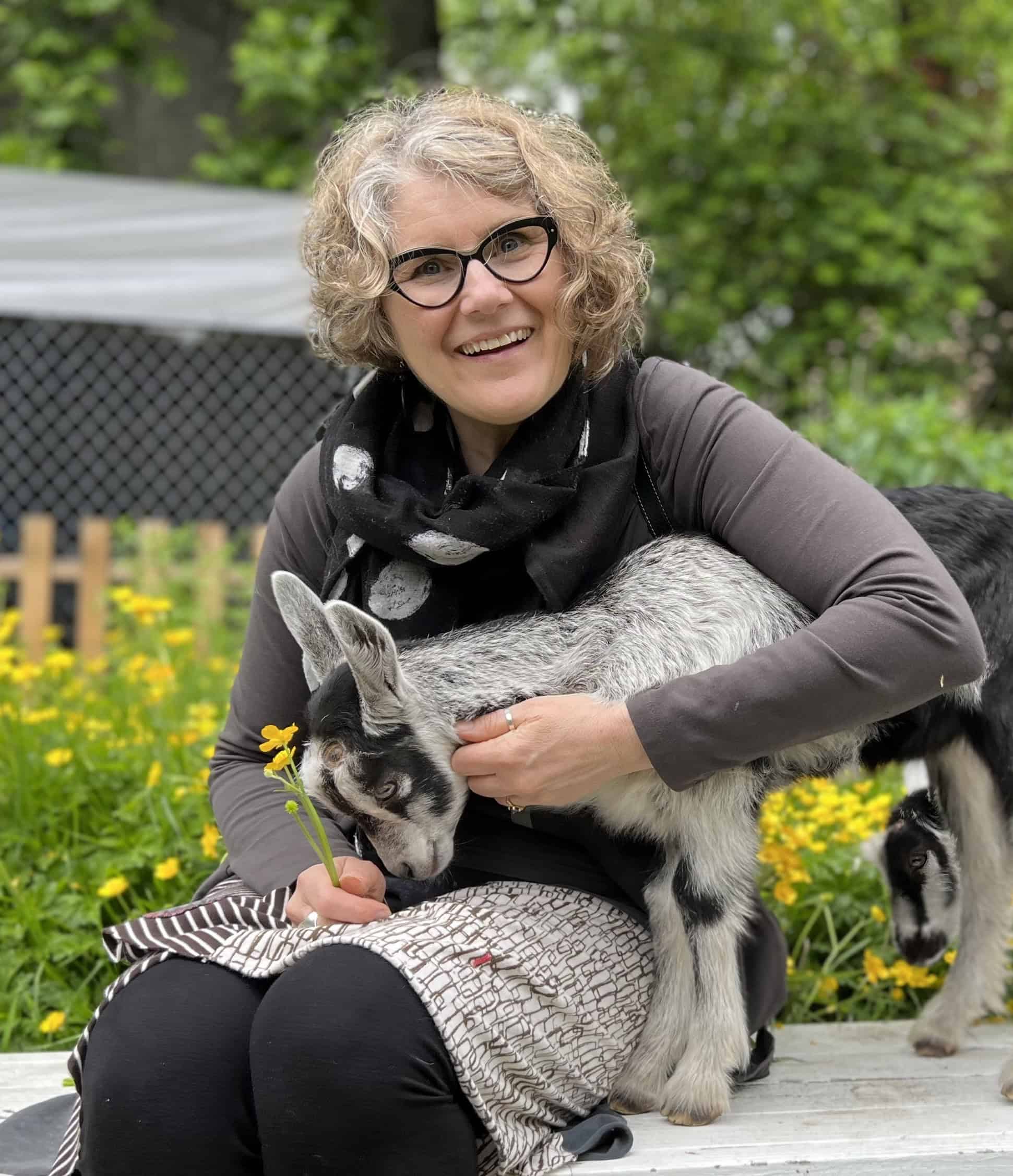 Nancy Morris-Judd
Nancy Judd is an internationally recognized artist, environmental advocate, and teaching artist. For over 20 years she has been creating art exhibitions made from trash that engage people in conversations about how we live on the earth. Nancy exhibits her work in public airports and museums and one of her pieces, the Obamanos Coat, is in the Smithsonian Museum’s permanent collection. In her work as a teaching artist, Nancy provides arts integration to students in classrooms and adults in training settings. Nancy’s work is inspired by the indigenous people around the globe who have cared for the earth for thousands of years. She asserts that by following their lead and working with them, we can collectively mitigate the impacts of climate change. Nancy explores her own privilege, colonized mindset and white/settler fragility and brings her personal experiences to all her trainings. www.RecycleRunway.com.