An Introduction to Infrared Photography with Kent Bowser and Chris Gallagher – G26070410
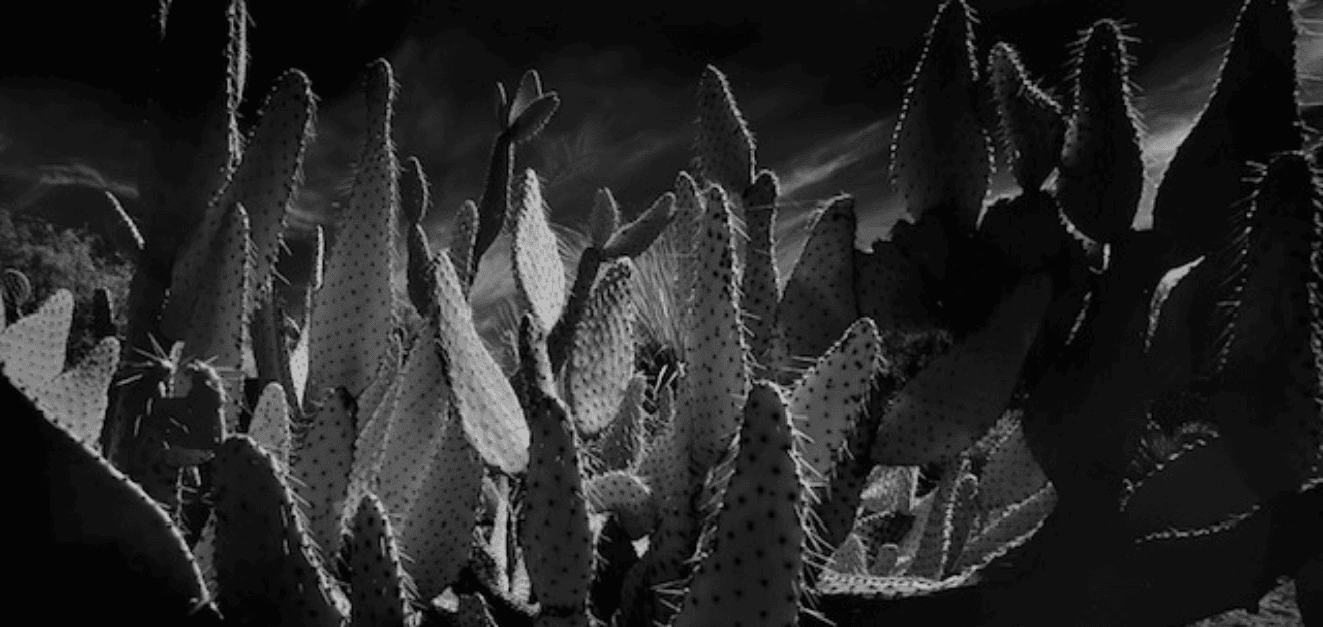
Discover the magic of infrared photography and capture the world in a whole new light! Come explore the mysterious, dreamlike qualities that make infrared imagery so captivating. In this exciting new course, participants can choose between two creative approaches. One option explores working with infrared light using a smartphone or modified digital camera and digital editing techniques to produce striking artistic images. The other focuses on shooting infrared film with the students’ own 35mm or 120-format manual cameras, infrared film and filters, followed by instruction in darkroom techniques for developing and printing the final work. With the breathtaking landscapes of Ghost Ranch as your canvas, this is your chance to create one-of-a-kind works of art that shimmer with otherworldly beauty.
Instructors
-
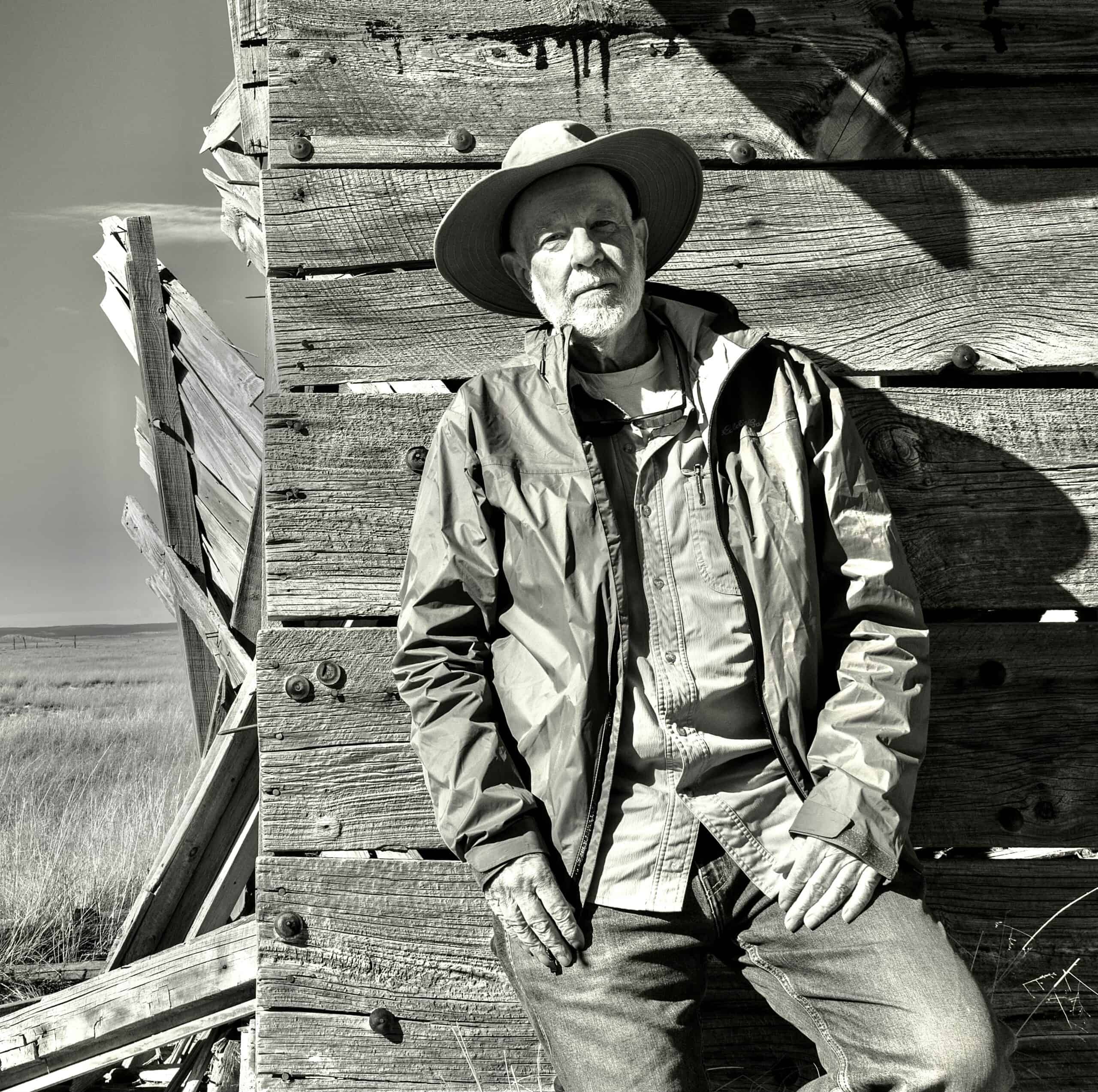 Kent Bowser
Kent Bowser, Since 1977 Kent Bowser has photographed the sacred sites and landscapes of the Southwest. He still prefers B&W film, but more recently uses digital photography and has an affection for the iPhone’s imagery. His teaching at Ghost Ranch began in 1991, with January Term classes following in 1996. Kent holds a BA in art history and BS and MA degrees in photography from Ohio State University. Aside from Ghost Ranch, a few of his favorite locales are the Bisti De Na Zin Badlands, Boyce Thompson Arboretum, Chaco Canyon, and SE Utah.
-
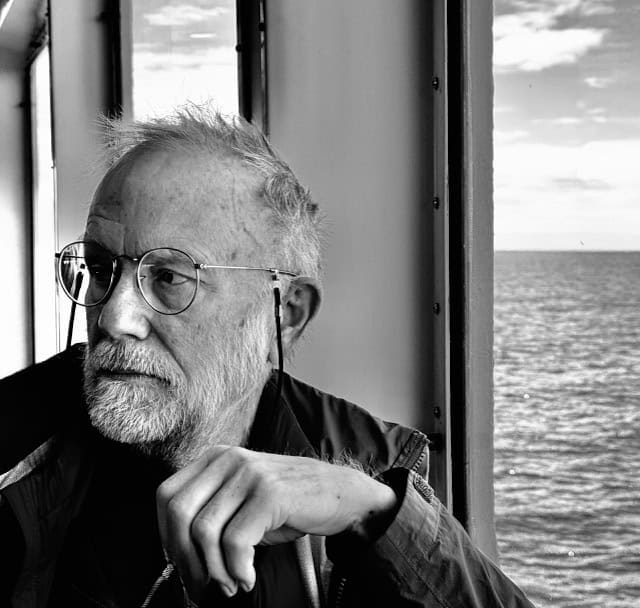 Chris Gallagher
Photography entered my life early, becoming not just a pursuit but a way of perceiving the world. It guided my education—from Scotland, where I completed my undergraduate studies, to Columbus for my Master’s—and ultimately into a lifelong career in cultural heritage imaging. For thirty-three years, I worked within the Art Institute of Chicago, immersed in the visual and material language of art across time and culture.
Since retiring in 2019, I have returned to the landscapes that first inspired me. My current work centers on geological formations as visual and temporal records—sites shaped by deep time and by the enduring relationships of Indigenous peoples with the land. These places hold layered histories that I explore through the camera’s interpretive eye.
Infrared imaging, a tool I once used to uncover hidden layers in artworks, remains integral to my practice. It extends vision beyond the limits of the human eye, transforming unseen wavelengths into visible form. For me, it is a way of revealing continuity—between heat and light, between presence and memory, between what we see and what lies just beyond our sight.